Categories
Uncategorized

How long will it take to heal?

How long a piercing will take to heal depends on where it is, how you treat it and how quickly youheal. Most heal in 12 weeks or less, but some can take as long as 6 months. Of course, it’s different for everyone, but the general rule is, the less important that body part is, the longer it will take to heal. That means your navel (bellybutton) or ear cartilage will likely take longer to heal than your tongue or lip, because you need a functioning mouth more than you need a healed navel.

How you treat your piercing will make a big difference in healing time, as well. Using saline solution to clean it, rather than alcohols or peroxides, will speed up the healing process significantly; alcohol dries out your skin and kills all the good bacteria (yes, there is such a thing!) that helps you heal. Keeping it clean is vital — if it’s a facial piercing, make sure your pillow cases and hats are clean as well. Also avoid swimming or getting make-up in your new piercing.

Categories
Uncategorized

What Are the Risks?

If done in a clean and professional shop, the risks are minimal. It’s up to you to find a good shop and to follow their aftercare advice.

The biggest risk in getting pierced is irritation and infection. This can happen for several reasons:

  • Dirty equipment. This is why it is so important to find a clean shop that has an autoclave and ultrasonic and professional piercers who open all of their tools in front of you so that you see it coming out of sterile packaging.
  • Bad aftercare. If you ignore the aftercare instructions and get it dirty, touch it and play with it all the time, get make-up in it, or change it too early, it can become irritated or infected.
  • Sharing jewelry. Even if you have given it a good cleaning, there are likely still pathogens on the jewelry that you are about to insert into your body. Gross. And dangerous.
  • Using a piercing gun. Because their casing is plastic, they cannot be sterilized (sterilization requires extreme heat — the guns would melt), which means that any pathogens that shot into the gun from the client before you are still on it when you get pierced. Even if the gun is single-use, the dull jewelry that gets shot through your ear or nose causes far more trauma to your skin than the sharp point of a needle, which can make you more susceptible to irritation.

The other main risk is rejection, which is when your body decides it doesn’t like being pierced and starts pushing the jewelry out. This isn’t particularly painful, but it can leave a nasty scar. If you think your piercing is migrating, have your piercer check it out. If it is rejecting, take it out immediately to avoid scarring. You can always try again once it’s healed.

Categories
Uncategorized

What Body Piercings Hurt Most?

Some of the most common questions about body piercing concern the level of pain associated with a specific piercing. Just how much is it going to hurt? There’s next to no limit on how creative you can get with your piercings, with options for just about anywhere on your body. Naturally, you’d expect some piercing locations to hurt a bit more than others, depending on factors like skin thickness, nerve endings, and personal pain threshold.

If you’re debating your next piercing based on potential discomfort, here’s some good news: even the most painful piercings can be done quickly and effectively when you choose a well-trained body piercer. If you’re still on the fence about a certain body piercing, we’re breaking down some of the most frequently asked questions about the piercing pain scale and which common piercings are the most (and least) painful.

Do all body piercings hurt?

The pain associated with body piercing is a highly subjective topic, depending on the type of piercing, location, and individual pain threshold. No matter how painless or intense a certain piercing may seem, the actual process is over in the blink of an eye.

What is the least painful piercing?

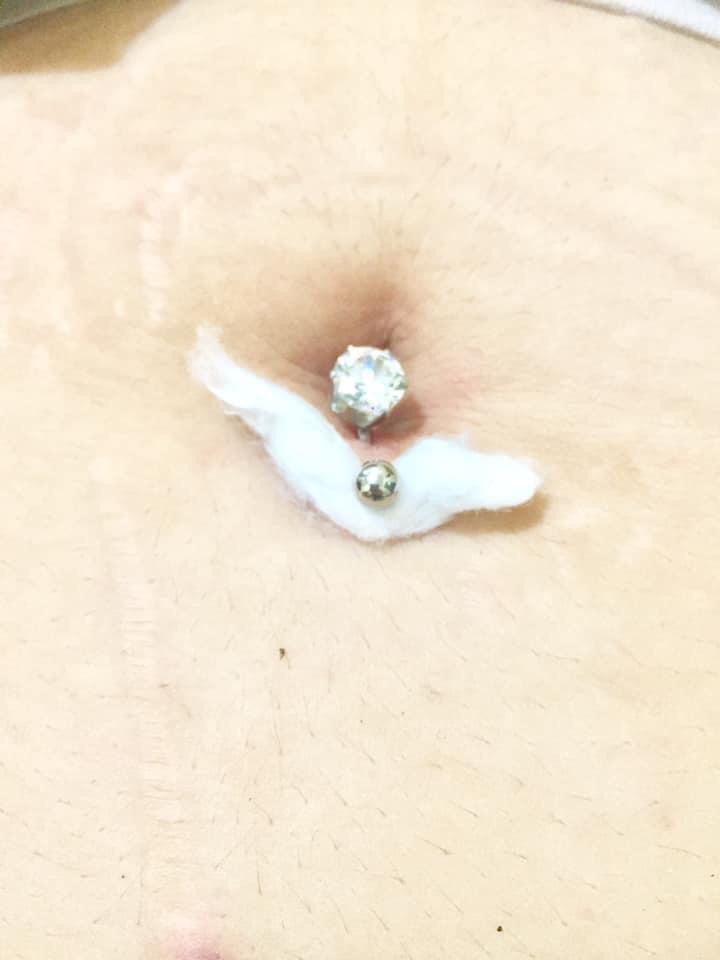
Most piercers agree that earlobe piercings are the least painful type of piercing because they are positioned on a fleshy, easy-to-pierce portion of skin. Most oral piercings, eyebrow piercings, and even navel piercings are also surprisingly low on the pain scale for the same reason. Most people say these piercings can be compared to having your blood drawn at the doctor’s office.

What is the most painful piercing?

There are a few different piercings that many people would rate higher on the piercing pain scale, but that doesn’t mean it should stop you from getting one if you’re interested. Daith piercings can be somewhat painful because they require that the needle pierces through the cartilage of the sensitive inside area of the ear, but it’s also an acupressure point that some say may relieve pain for sufferers of chronic headaches. Although there are no formal medical studies that prove this is true, at the very least you will have a new, beautiful piercing in exchange for a few seconds of discomfort. Dermal anchors are another piercing type that’s sometimes considered higher on the pain scale, mainly because it requires the piercer to make an entry point on the surface of the skin.

Which ear piercings hurt the most?

Ear piercing pain varies dramatically depending on what part of the ear you’re piercing. As mentioned, earlobes are pretty pain-free, but piercings on the areas of your ear containing cartilage tend to hurt more. Rook piercing pain is one of the more painful ear piercings, due to the thickness of the cartilage, but it’s a quick and fairly simple process.

How bad is the pain of a nose piercing?

Nostril piercing pain falls somewhere in the middle of the piercing pain scale, but typically hurts less than many people expect. Nostril piercing is usually described only as a brief sting, only slightly more intense than an ear or lip piercing – in fact, many people find that their first reaction to the process involves sneezing or their eyes watering rather than wincing!
Categories
Uncategorized

What is Body Piercing?

body piercing is just what it sounds like — a piercing or puncture made in the body by a needle. After that, a piece of jewelry is inserted in the hole. Commonly pierced body parts are the ears, nose, and the belly button. Oral piercings include the lip, cheek, and tongue.

When a piercing is healed, some people will choose to expand the size of the hole to wear certain types of jewelry, including plugs and tunnels. Stretching should be done in small increments to decrease the chance of damage to the piercing and scarring.

image credit: fuckyeahstretchedears.tumblr.com
Categories
Uncategorized

Piercing Culture from Around th World

While some people may believe that body piercing is a trend first made popular by young people and the punk rock movement, it’s actually been a cultural practice and way of life for many world societies throughout the centuries. Body piercing is anything but new; in fact, it has an interesting history that goes back thousands of years and has touched nearly every continent on the planet.

image credit: https://allthatsinteresting.com/history-of-piercing

Ancient Piercings

Of all the types of body piercings, nostril and various ear piercings are often considered the most widespread, represented in many historical records and archeological finds from all over the world. The oldest mummified remains to be documented were wearing earrings, leading experts to believe that ear piercing began around 5,000 years ago. Piercing of the nostril is also an ancient form of body art, with historians documenting it back to 1500 BC.

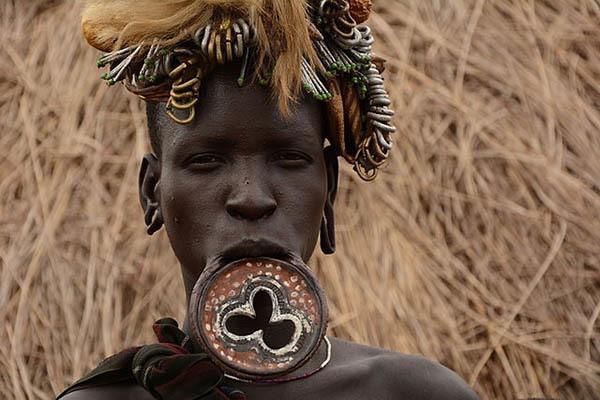
While ear and nose piercings were popular worldwide, tongue and lip piercings were popular moreso in American and African tribal cultures. Many different cultures incorporated nipple and genital piercings into their tribal practices, including Ancient Rome and Ancient India.

Modern Piercing Culture

In Western cultures, body piercing has gone through a number of highs and lows. After World War II, it saw a dramatic rise in popularity, and more and more people experimented with piercing sites other than the then-traditional earns. By the 1990s, many different types of body piercing had become a part of mainstream culture.

Examples of Cultural Piercing Practices

There are many interesting examples of historic and modern-day piercing culture from around the world, including:

  • In various Native American cultures, piercing has long been an important element of religious ceremonies, such as the Sun Dance ceremony. During the Crow Nation’s Sun Ceremony rites, piercings were performed as a method for inspiring powerful visions.
  • The Thaipusam Festival of Southern India is celebrated every year on the 10th day of February, honoring the heroic defeat of a demon named Soorapadman. During the celebrations, many attendants participate in body piercing to commemorate the religious event.
  • The Brahmin and Chhetri people of Nepal have a tradition of nose piercing that goes back to the 10th century, mandatory for all female tribe members and a sign of prosperity and innocence.

Why Do People Get Body Piercings?

When you consider how many cultures have a long history of body piercing, it makes sense that there are countless different reasons for body piercing. From expressing their individuality and commemorating life milestones to honoring spiritual and cultural beliefs, people make piercing a part of their lives for a wide variety of motives.

Make Piercing Culture a Part of Your Life at Almost Famous Body Piercing

Whether you’re a dedicated piercing enthusiast or new to the idea of body piercing, it’s a unique way to express your personality and style. No matter which one of the countless piercing types you’re considering, you’ll be joining a long and storied history that includes many diverse groups.

Design a site like this with WordPress.com
Get started